

 8221964533




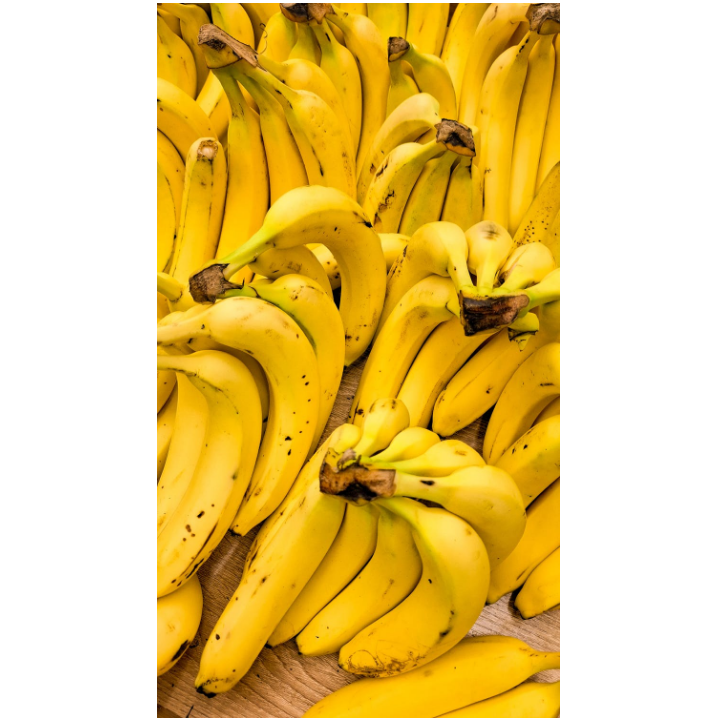
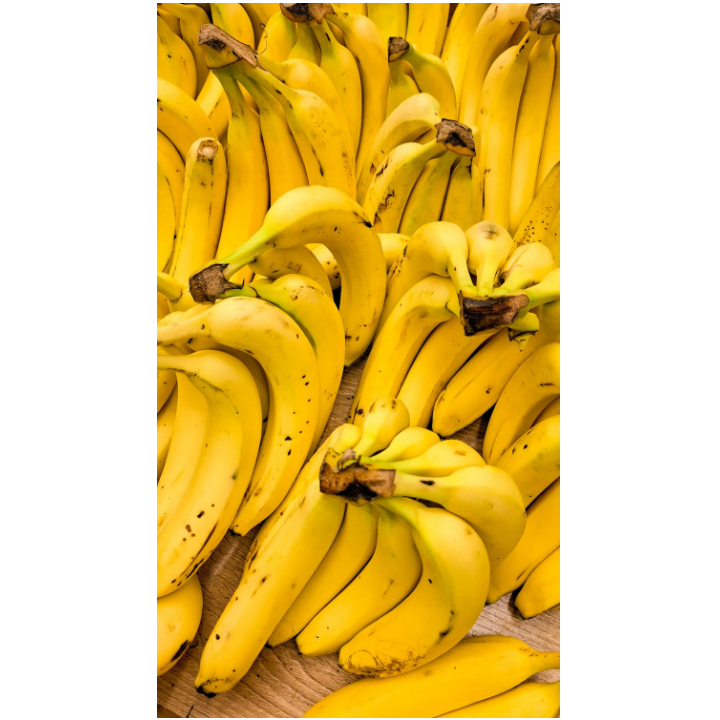
there is no sharp distinction between dessert "bananas" and cooking "plantains": this distinction works well enough in the Americas and Europe, but it breaks down in Southeast Asia where many more kinds of bananas are grown and eaten. The term "banana" is applied also to other members of the Musa genus, such as the scarlet banana (Musa coccinea), the pink banana (Musa velutina), and the Fe'i bananas. Members of the genus Ensete, such as the snow banana (Ensete glaucum) and the economically important false banana (Ensete ventricosum) of Africa are sometimes included. Both genera are in the banana family, Musaceae.
Banana plantations can be damaged by parasitic nematodes and insect pests, and to fungal and bacterial diseases, one of the most serious being Panama disease which is caused by a Fusarium fungus. This and black sigatoka threaten the production of Cavendish bananas, the main kind eaten in the Western world, which is a triploid Musa acuminata. Plant breeders are seeking new varieties, but these are difficult to breed given that commercial varieties are seedless. To enable future breeding, banana germplasm is conserved in multiple gene banks around the world.
sdfsdf fffsd dsf sdfsd fsdf dfsdf fsd sfs fsd